Our vision
We believe in the potential of the individual to bring positive change to the world.
Empathy and knowledge build the foundations to restore this unique planet. Through the medium of film and photography, we want to make visible the most pressing problems of our time: land degradation, climate change, biodiversity loss and poverty.
By combining sound science and modern communication media, we encourage collective action that will help restore planet Earth.
Trailers
A glimpse of the work
A first look at drought, land degradation and the search for resilience.
An introduction to the connections between ecosystem restoration and food security.
An introduction to shared resources and their place in ecosystem restoration.
Exploring the connections between ecosystem restoration and migration.
Documentaries
Stories of degradation and restoration
An exploration of ecosystem restoration and the possibility of change.
The first episode of Greening Africa explores landscape degradation.
Exploring the relationship between shared resources and ecosystem restoration.
A documentary exploring ecosystem restoration in Peru.
Repeat photography
Making change visible, seeing the passage of time with one's own eyes.
By juxtaposing the past with the present, we witness how landscapes change. We can see the radical impact of humans on the planet, as well as our ability to reverse degradation and bring landscapes back to life. SEE International has specialized in the art of repeat photography, working across the globe on a broad set of cultural and environmental contexts.
Explore repeat photography ›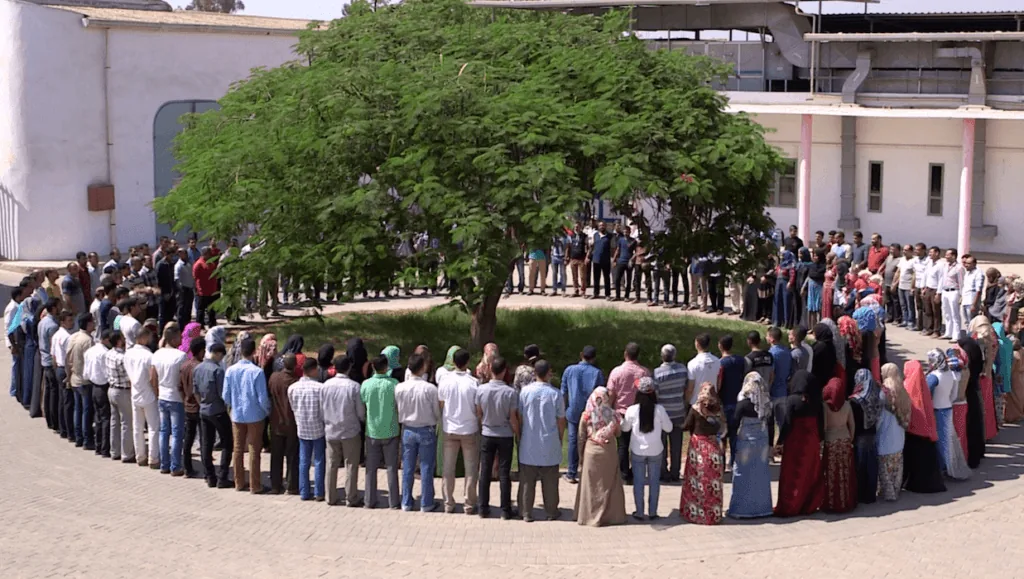
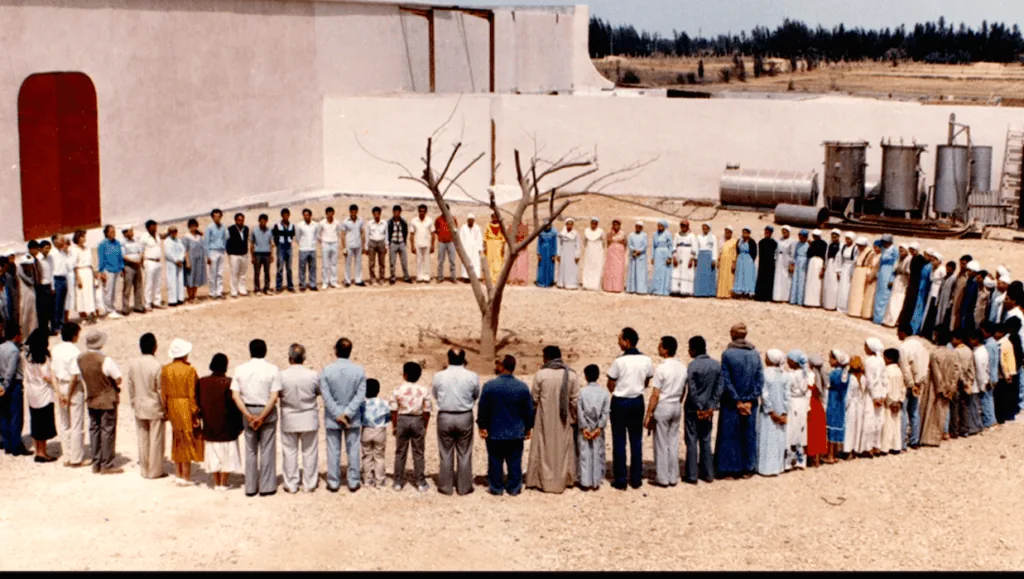 1980 2014
 Sekem, Egypt — drag to compare.
Science
Restoration science to rejuvenate the planet's ecological support systems.
With a special focus on the UN Decade on Ecosystem Restoration (2021 to 2030), SEE International is dedicated to researching and communicating the potential of ecosystem restoration. We collaborate with leading institutions around the globe, including United Nations University, the University of Bonn, the German Development Institute, the Chinese Academy of Science and the University of Victoria.
Read about our science ›

Selected partners